A small brown mark on a ceiling, a boiler that needs topping up every few days, or a quiet hiss behind a boxing-in can turn into serious water damage fast. This guide to property leak prevention focuses on the checks that make a real difference, especially through cold weather when frozen pipes, heating faults and failed boiler components put London properties under pressure.
A leak is rarely just a leak. Water can damage plaster, flooring, electrics, insulation and neighbouring flats before the source is obvious. Acting early is cheaper, safer and far less disruptive than waiting for a ceiling to come down or a boiler to fail completely.
Know the warning signs before a leak becomes visible
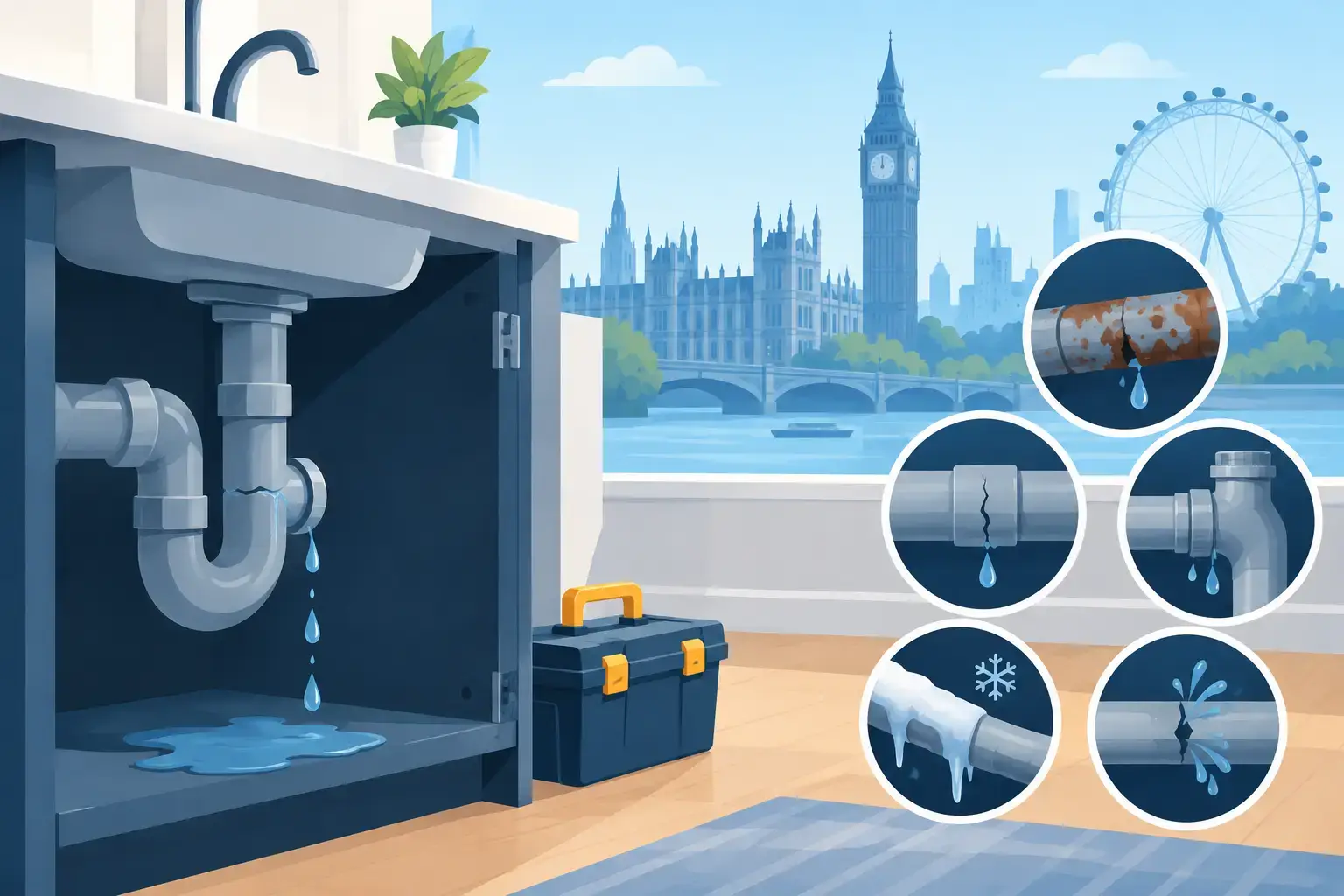
Not every leak produces a puddle. Slow leaks often stay hidden under floors, behind kitchen units, in boiler cupboards or inside wall cavities. Watch for staining, peeling paint, mould growth, a musty smell, warped laminate, loose tiles or unexplained damp patches.
Your water use can also tell a story. If the water meter moves while all taps, appliances and toilets are off, there may be a leak on the supply. A sudden rise in water bills is another reason to investigate rather than assume it is normal usage.
For heating systems, keep an eye on boiler pressure. A sealed system that regularly loses pressure may have a leak, a faulty expansion vessel or a problem with a pressure relief valve. If water is dripping from the copper discharge pipe outside, do not ignore it. The boiler may still run for a while, but the fault needs proper diagnosis.
Start with the stop tap and isolation valves
In an emergency, stopping the water quickly matters more than finding the exact source straight away. Every homeowner, tenant, landlord and site manager should know where the main internal stop tap is and check that it turns freely. It is commonly under the kitchen sink, near the water meter, in a utility cupboard or close to where the main enters the property.
Turn the stop tap clockwise to close it, then open a cold tap to confirm the water has stopped. If it is seized, corroded or inaccessible, arrange for it to be replaced before an emergency makes the problem urgent. In larger properties and commercial premises, identify local isolation valves too. Being able to isolate a leaking toilet, washing machine or kitchen supply can avoid shutting down the whole building.
Do not confuse the water stop tap with gas controls. If you smell gas, suspect a gas leak, or feel unwell with symptoms that could relate to carbon monoxide, leave the property if necessary and seek urgent help. Do not try to repair gas pipework yourself.
Protect pipes during cold spells
Frozen water in a pipe expands. That pressure can split copper, plastic or old galvanised pipework, often in lofts, garages, external cupboards, unheated basements and voids behind walls. The pipe may not leak until it thaws, when the damage can become apparent very quickly.
Keep the heating on at a low, steady setting when the property is occupied during freezing weather. If a home or flat will be empty, do not simply switch everything off without considering the risk. A low background temperature is often the safer option, although the right approach depends on insulation, the heating system and how long the property will be vacant.
Insulate exposed pipework with suitable pipe lagging, paying attention to bends, joints and pipes near external walls. Replace damaged or loose insulation rather than wrapping around an existing leak. Outdoor taps should be isolated from inside where possible and drained before prolonged freezing conditions.
If a pipe is frozen but has not burst, turn off the water supply and warm the area gradually. Never use a blowtorch, naked flame or high-heat tool. A hairdryer on a cautious setting or warm towels may help, but if access is poor or there is any sign of damage, call a plumber. A rushed DIY thaw can turn a contained problem into a burst pipe.
Keep the boiler and heating system in working order
Boiler breakdowns are a common winter trigger for property damage. No heating leaves pipes exposed, while a boiler leak can affect electrical components and lead to loss of pressure or a complete lockout. Check underneath the boiler cupboard regularly for drips, corrosion, staining or a white residue around pipe joints.
The condensate pipe also deserves attention in cold weather. This pipe carries acidic water away from the boiler and is often routed outside. If it freezes, the boiler may display a fault code or stop working. External condensate runs should be correctly sized, insulated and installed with suitable falls. Repeated freezing is not something to accept every winter.
Annual servicing helps identify worn seals, failed valves and pressure issues before they become a breakdown. Boiler repairs and work on gas appliances should always be carried out by a Gas Safe registered engineer. Onsite Contractors and Plumbing Ltd can diagnose emergency boiler leaks, pressure loss and heating failures across Greater London and the M25 area, then explain what has failed and what the repair involves.
Check high-risk rooms little and often
Kitchens, bathrooms, utility areas and boiler cupboards carry most of a property’s leak risk because they contain multiple water connections. A quick monthly check is more useful than waiting for a major inspection.
Look beneath sinks for moisture around traps, flexible hoses and isolation valves. Run a hand over accessible pipework and fittings – not electrical equipment – to find dampness early. Inspect silicone around baths and shower trays. Failed sealant may not create a plumbing leak, but it can allow water behind tiles, into floors and through ceilings below.
Toilets are another regular source of hidden waste. Water continuously running into the pan often points to a faulty fill or flush valve. It can waste a surprising amount of water and may conceal an issue with the cistern connection. Check washing machine and dishwasher hoses for cracking, bulging, rusted connections or rubbing against sharp edges. Replace ageing hoses rather than waiting for one to fail.
For landlords and property managers, these checks should be part of planned maintenance between tenancies. Tenants should know how to report a drip, loss of heating or damp patch immediately. Small issues become expensive when nobody feels responsible for raising them.
Do not overlook roofs, drains and outside pipework
Property leak prevention is not only about internal plumbing. Blocked gutters, cracked rainwater pipes and overflowing hoppers can direct water into brickwork, roof spaces and around windows. Clear leaves and debris before winter, then inspect again after storms.
Drains need attention too. Slow-draining sinks, gurgling toilets and unpleasant smells may indicate a developing blockage. A blocked external drain can back up into a property or force water where it should not go. Avoid pouring fat, wipes, coffee grounds or unsuitable chemicals into drains. They are frequent causes of preventable call-outs.
Check for loose roof tiles, damaged flashing and failed seals around vents, particularly if staining appears after heavy rain rather than after using a bathroom. A plumber can resolve many water leaks, but roof ingress may require a roofing specialist. Getting the source right matters more than treating the visible stain.
What to do when water is actively leaking
Move people away from water near electrics. If it is safe, turn off the water at the stop tap or isolate the affected appliance. Place buckets and towels beneath the leak, remove valuables from the area, and take clear photographs for your insurer or landlord.
Do not cut into ceilings, remove boiler covers or undo pipe fittings under pressure. If water is coming through a light fitting, switch off the electricity at the consumer unit only if you can do so without approaching the water. Then arrange urgent professional help.
An emergency plumber is the right call for burst pipes, uncontrolled leaks, water through ceilings, leaks affecting electrics, a boiler releasing water, or a loss of heating during cold weather where pipes may freeze. A fast repair should deal with the cause, not just tape over the symptom.
A practical routine that protects the property
The best protection is a simple routine: test the stop tap, look for damp, monitor boiler pressure, lag exposed pipes and deal with drips promptly. Before a cold snap or an extended period away, check the heating, confirm outdoor taps are protected and make sure someone can access the property if needed.
A dry ceiling and a working boiler are easy to take for granted. A few minutes of attention now can prevent the call-out that arrives at the worst possible time.