A boiler failure in January is not a minor inconvenience. No heating, no hot water and a house that gets colder by the hour calls for a clear plan. This boiler swap project example shows what a proper replacement job can look like, from the first diagnosis through to a safe handover.
The situation is based on a common London call-out: an owner-occupied three-bedroom terrace with an ageing combi boiler that had become unreliable. The customer had already paid for two repairs in the previous year. When the boiler locked out again and no hot water returned after a reset, replacing it made more financial sense than putting more money into an appliance near the end of its working life.
Boiler swap project example: the problem on arrival
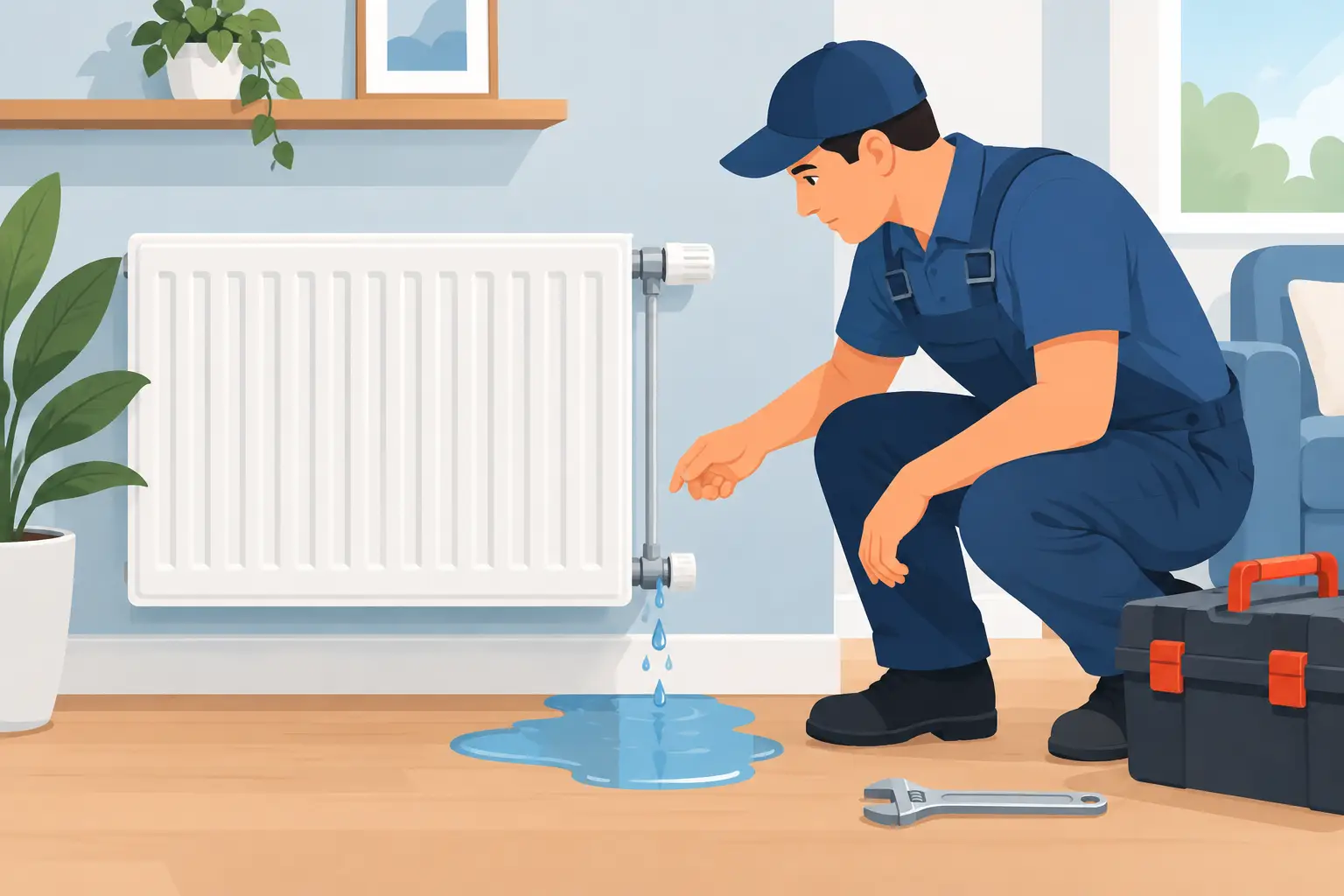
The boiler was an older wall-mounted combi unit in a kitchen cupboard. It was supplying radiators and hot water, but it had developed repeated ignition and pressure faults. The customer had noticed cold radiators upstairs, occasional banging from the system and a steady drop in pressure over several weeks.
An emergency heating engineer should not recommend a new boiler before checking the basics. In this case, the initial visit included an inspection of the boiler, visible pipework, condensate route, flue position, system pressure and heating controls. The engineer also checked for signs of leaks and confirmed the gas supply and ventilation arrangements were suitable.
The fault could have been repaired, but the likely cost was not limited to one part. The boiler required several age-related repairs, and there was no guarantee another component would not fail during the rest of the winter. The customer was given the options plainly: carry out a repair with its limitations, or arrange a boiler replacement with a warranty and a more efficient setup.
That distinction matters. A repair is often the right answer for a newer boiler with a clear, isolated fault. A swap is usually more sensible when faults keep returning, parts are difficult to source, the boiler is inefficient, or the repair cost is becoming disproportionate to its value.
Planning the swap without cutting corners
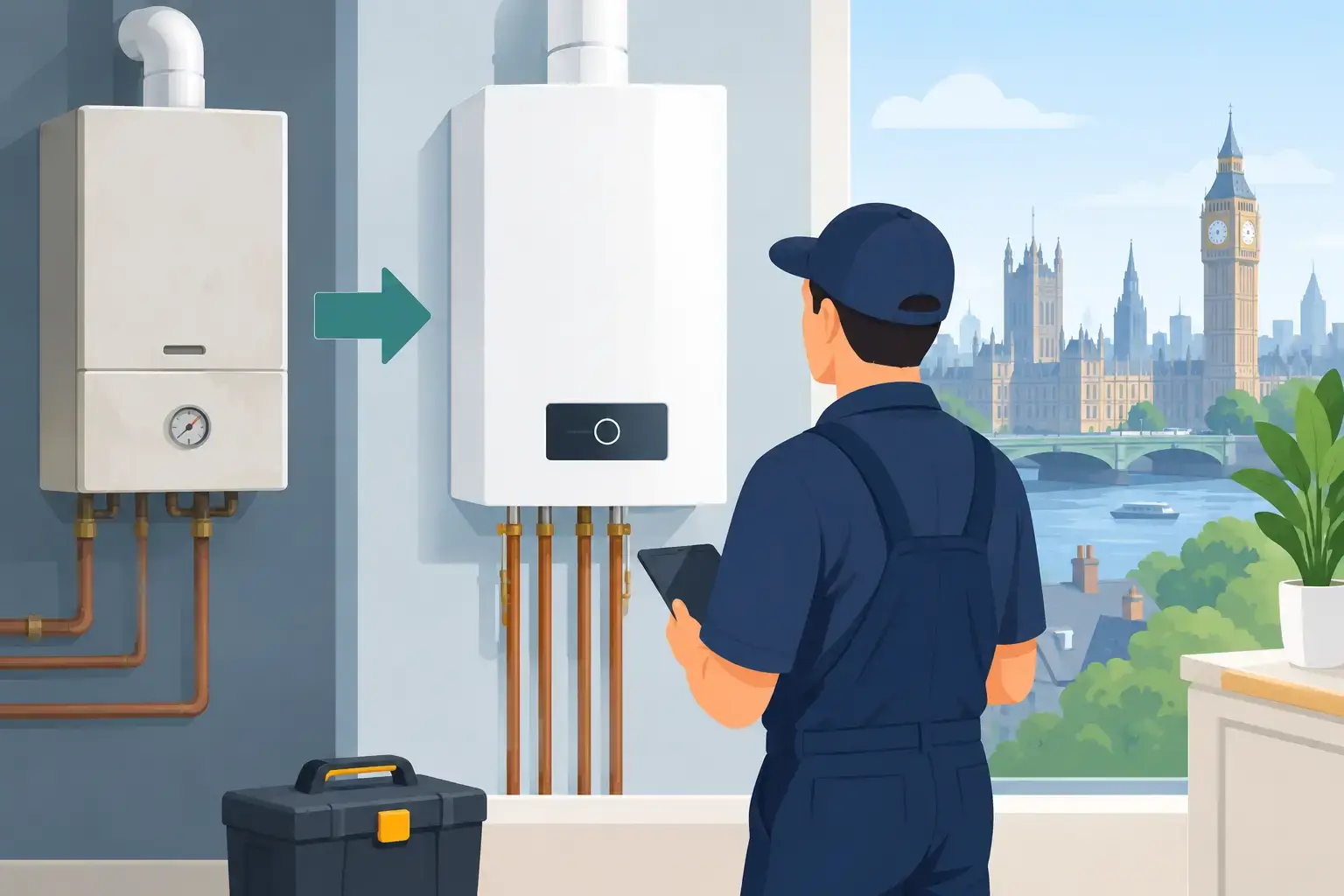
The customer chose a like-for-like combi boiler replacement. Keeping the new boiler in the same general location reduced disruption, avoided unnecessary alterations and helped keep labour costs under control. It also meant the existing heating layout could remain in place once it had been properly cleaned and checked.
Before installation day, the work was planned around a few practical questions. Would the existing flue route meet current requirements? Was the condensate pipe protected against freezing? Was there enough clearance for servicing? Did the radiators and pipework show signs of sludge or poor circulation? And could the property safely be without heating while the work was completed?
For an occupied home in cold weather, timing is critical. A straightforward boiler swap can often be completed in one day, but that depends on the condition of the system and whether the location, flue, controls or pipework need changing. Promising a same-day finish before inspecting the job properly is not good practice.
The engineer explained the expected scope, the boiler specification, warranty arrangements and any additional work required. This gave the customer a fixed understanding of what was being done rather than an unclear quote followed by surprise extras.
Removing the old boiler safely
On the agreed day, the gas, water and electrical supplies were isolated before the old boiler was removed. The heating system was drained in a controlled way, with care taken around the kitchen units and flooring. Old boilers are heavier and messier than many people expect, particularly where pipework has been altered over the years.
The original boiler was disconnected and taken down. The engineer then inspected the mounting area and existing connections. In this project, some of the old pipework needed tidying to improve access and allow for correct isolation valves beneath the new appliance.
This is one reason a boiler swap is not simply a case of hanging a new unit on the wall. The installation must be safe, serviceable and compliant, not just working on the day it is fitted. A boiler that is difficult to access will be harder to maintain, and poor pipework can create future leaks or make emergency repairs take longer.
Cleaning the heating system and fitting the new boiler
The property had signs of dirty system water, shown by uneven radiator performance and debris in the old boiler filter. Fitting a new boiler onto a contaminated central heating system is a false economy. Sludge and debris can restrict circulation, damage components and reduce the life of the new appliance.
The system was flushed, and a magnetic filter was fitted to capture circulating debris after installation. In some homes, a standard clean is enough. In others, particularly where radiators are badly cold at the bottom or the system has suffered repeated breakdowns, a more intensive powerflush may be recommended. It depends on the water quality, system age and how well the radiators are performing.
The new condensing combi boiler was then mounted, connected to the heating and hot water pipework, and linked to the gas supply by a Gas Safe registered engineer. The condensate arrangement was checked and improved where necessary, helping to reduce the risk of a frozen condensate pipe causing a winter breakdown.
Modern heating controls were included as part of the upgrade. A programmable thermostat gives the household better control over heating times and temperatures, which can reduce waste without leaving rooms cold. The best setting is not always the highest one. A stable, sensible temperature and properly balanced radiators usually provide better comfort than constantly turning the heating up and down.
Testing, commissioning and handover
Once the boiler was fitted, the system was refilled, vented and pressure-tested. Each radiator was checked for heat, and the engineer balanced the system to improve circulation around the property. Hot water performance was tested at taps, while boiler safety checks confirmed correct combustion and gas operation.
Commissioning is the stage that turns an installation into a completed job. The boiler settings were adjusted for the home, the controls were demonstrated and the customer was shown how to check system pressure safely. The installation paperwork and warranty information were completed, and the old boiler was removed for proper disposal.
The work also included advice on avoiding common winter call-outs. The customer was told not to repeatedly repressurise the system without finding the cause of pressure loss, to keep external condensate pipework protected, and to arrange an annual boiler service. For landlords, a valid annual gas safety certificate remains a legal requirement, separate from routine servicing.
What affected the cost and timescale?
A like-for-like boiler replacement is usually more predictable than moving a boiler to another room. The final cost still depends on the boiler model, warranty length, controls, flue work, system cleaning, condition of existing pipework and whether any faults are uncovered during the job.
Moving a boiler can involve longer pipe runs, new boxing, electrical work, floor or wall repairs and more time on site. It may be worthwhile during a kitchen refurbishment or major property upgrade, but it is not automatically the best option when the immediate priority is restoring heating and hot water.
For this project, the customer chose a quality boiler with suitable output for the property, a magnetic filter and upgraded controls. The job was completed without moving the boiler, which limited disruption and allowed the heating to be returned promptly.
When a boiler swap is the right call
If your boiler has stopped working, a quick diagnosis should come first. A frozen condensate pipe, low pressure issue, failed fan or faulty ignition component may be repairable. However, repeated failures, rising repair bills and poor reliability are clear signs that replacement should be discussed.
Onsite Contractors and Plumbing Ltd provides boiler breakdown repairs, emergency gas engineer call-outs and boiler replacements across Greater London and the M25 area. If you have no heating, no hot water, a boiler leak or a fault code you do not understand, get it checked by a qualified engineer rather than guessing at the cause.
A new boiler should leave you with more than a warm radiator for one evening. It should be correctly sized, safely installed, easy to service and supported by clear advice when you need it most.