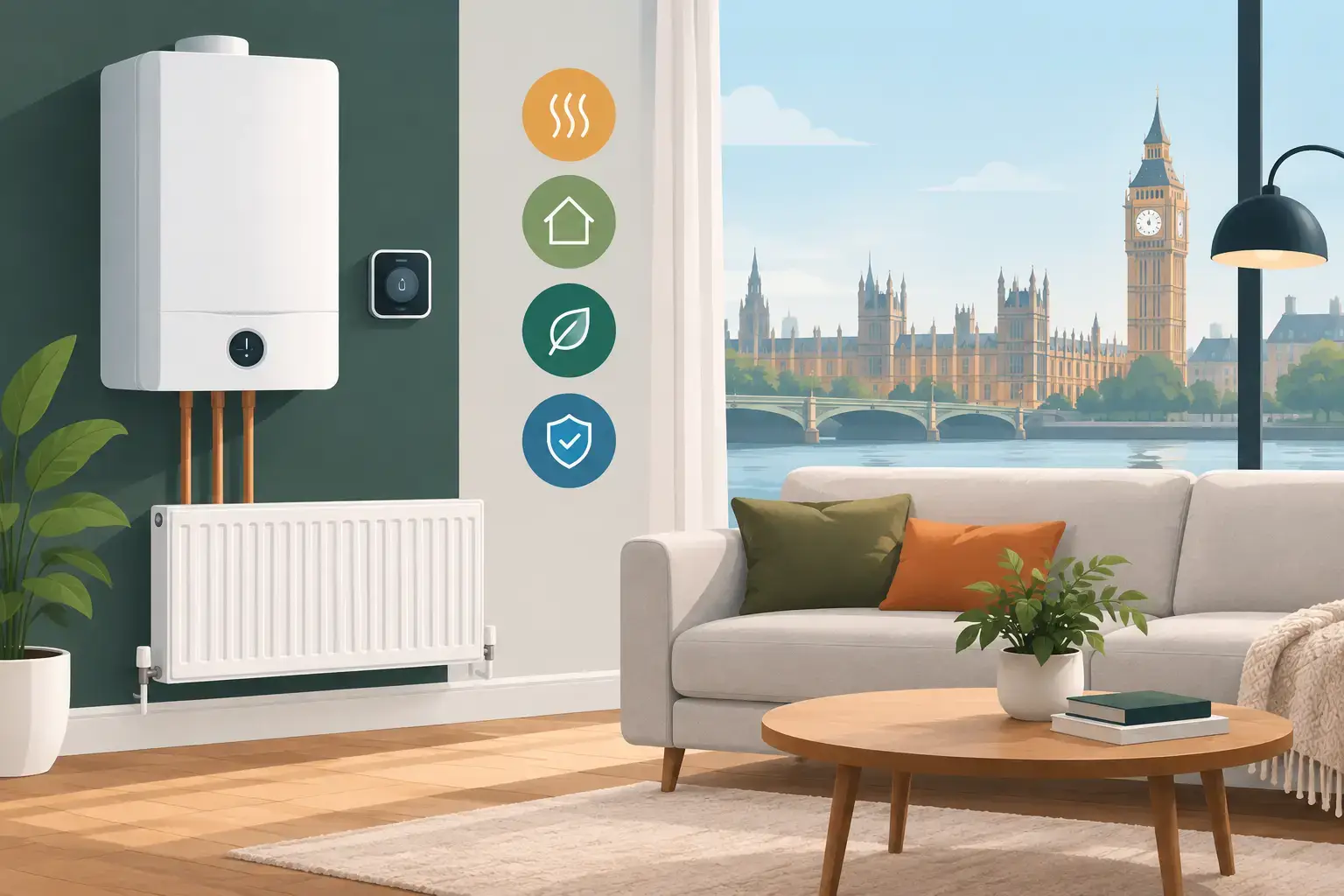
A boiler that needs resetting every few days, radiators cold at the bottom, or rooms that never properly warm up are not small annoyances in winter. They are signs that your system is wasting fuel, struggling to circulate heat, or nearing a breakdown. The best heating upgrades for your home depend on what is actually causing the problem – not simply which new product is being advertised.
For London properties, the right answer can vary widely. A Victorian terrace with an ageing boiler needs a different approach to a modern flat with poorly balanced radiators. Before committing to major work, have the existing system assessed properly. A good heating engineer should explain the fault, the options and the likely cost clearly.
Start with the boiler if it is unreliable
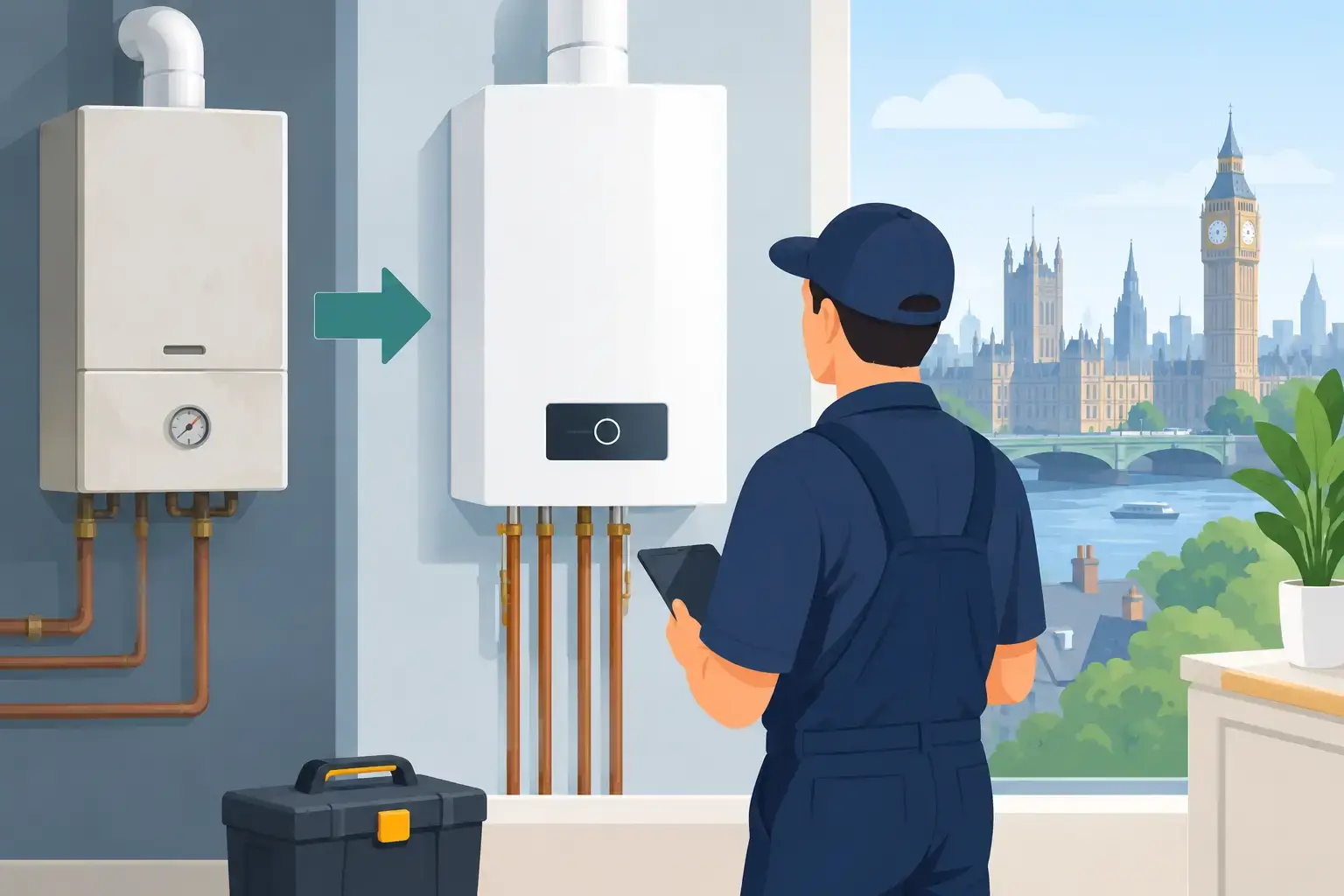
An old or unreliable boiler is often the biggest issue in a heating system. If it regularly loses pressure, makes unusual noises, leaks, cuts out, or cannot keep up with demand for hot water and heating, replacement may be more sensible than repeated repair bills.
Modern condensing boilers are designed to recover more heat from the fuel they use than older models. When correctly sized, installed and commissioned, a new boiler can improve comfort, provide more consistent hot water and reduce unnecessary gas use. It is not automatically the right choice for every fault, though. A failed pump, diverter valve, thermostat or pressure issue may be repairable at a far lower cost.
The key question is reliability. If your boiler is increasingly breaking down, parts are difficult to source, or it is well beyond its expected working life, putting more money into temporary repairs can become false economy. For landlords, an unreliable boiler also creates avoidable disruption for tenants and can quickly become an urgent call-out.
Boiler work must be completed by a Gas Safe registered engineer. That is not paperwork for the sake of it. Incorrect gas work can create a serious safety risk, invalidate warranties and leave you with an installation that performs badly from day one.
Best heating upgrades for your home: controls first
Heating controls are one of the most useful upgrades when the boiler itself is in decent condition. Many homes still rely on a basic timer and a single thermostat in the wrong part of the property. That setup can leave bedrooms overheated while the living room stays chilly.
A programmable thermostat lets you set heating around the times you are actually home. Smart controls add app-based adjustments, useful for households with changing routines, rental properties and people who are often out during the day. They are not magic energy savers on their own. Their value comes from preventing the heating from running unnecessarily and making it easier to maintain sensible temperatures.
Thermostatic radiator valves, often called TRVs, are another practical improvement. They allow individual rooms to be set differently, so a spare bedroom does not need the same heat as the main living area. They work best when the system is properly balanced and the main thermostat is located sensibly.
If you are considering smart controls, check compatibility with your boiler and existing wiring. An engineer can advise whether a straightforward upgrade is possible or whether the system needs changes first.
Improve radiator performance before replacing everything
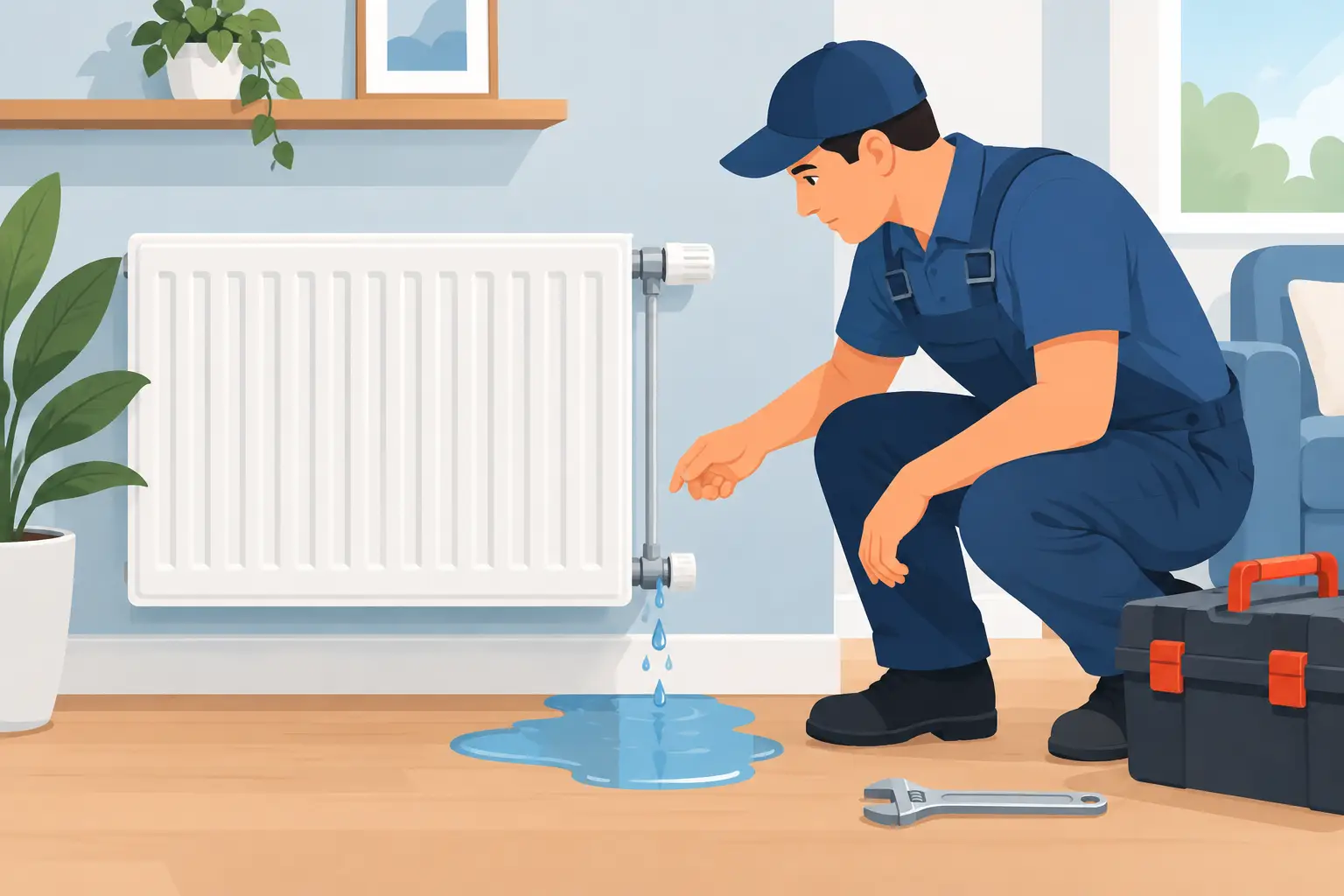
Cold patches, slow warm-up times and noisy pipes do not always mean you need new radiators. Sludge, trapped air, poor balancing and worn valves can all reduce performance. These issues are common in older central heating systems and can put extra strain on the boiler.
A heating engineer may recommend bleeding radiators, balancing the system, replacing faulty valves or carrying out a chemical clean or powerflush where there is clear evidence of internal sludge. A powerflush is not required for every home, and it should not be sold as a cure-all. It is most useful when the system is contaminated, circulation is poor, or a new boiler is being installed onto old pipework and radiators.
If particular rooms are consistently cold after these checks, then larger or more efficient radiators may be justified. Correct sizing matters. A radiator that is too small for the room will force the system to work harder without delivering comfort. Heat loss through windows, external walls and draughts should also be considered before simply fitting a bigger unit.
Consider underfloor heating during a refurbishment
Underfloor heating is a worthwhile upgrade when you are already renovating a kitchen, bathroom or ground floor. It provides gentle, even heat and removes the need for wall-mounted radiators in the room. In a bathroom, it can make cold tiled floors far more comfortable.
There are two main types. Electric underfloor heating is often easier to fit in a single room, particularly during a bathroom refurbishment. Water-based systems connect to the central heating and can be more economical for larger areas, but installation is more involved. Floor height, insulation, existing pipework and the type of finish all affect what is practical.
It is rarely sensible to tear up sound floors purely to install underfloor heating. It makes most financial sense when planned alongside wider building work. Good insulation beneath the system is essential, otherwise heat can be lost downwards rather than warming the room.
Do not overlook insulation and draughts
A heating upgrade cannot fully compensate for a property that loses heat as quickly as it receives it. London homes often have draughty sash windows, uninsulated pipework, gaps around doors or loft insulation that is thin, uneven or disturbed by storage.
Simple measures can make the heating system feel more effective: draught-proofing external doors, insulating accessible hot water pipes, checking loft insulation and using suitable window coverings. These are not replacements for safe, reliable heating, but they reduce heat loss and help rooms hold their temperature for longer.
For flats, changes to windows, external walls or communal systems may require permission from a freeholder or managing agent. Landlords should also consider their obligations around energy efficiency and safe heating provision before starting work.
When an upgrade is actually an emergency
Not every heating problem can wait for a planned upgrade. If there is no heating or hot water during cold weather, a visible boiler leak, a strong smell of gas, repeated boiler lockouts, or a carbon monoxide alarm sounding, treat it as urgent.
If you smell gas, do not use electrical switches, naked flames or appliances. Turn off the gas supply only if it is safe to do so, ventilate the property and get emergency help immediately. A suspected gas leak is not a DIY job and should never be ignored.
For boiler failures without a gas smell, an emergency heating engineer can diagnose whether a repair will restore safe operation or whether replacement is the sensible next step. Onsite Contractors and Plumbing Ltd provides Gas Safe heating and emergency plumbing support across Greater London and the M25 area, with straightforward advice focused on the repair or upgrade that the property genuinely needs.
Choose upgrades around the property, not a sales pitch
The right sequence is usually simple: make the system safe, repair faults that are worth repairing, improve controls and circulation, then consider replacement equipment or larger upgrades. A boiler replacement can be a strong long-term investment, but it should be sized for the home and installed alongside the right controls, clean pipework and properly performing radiators.
If your heating is becoming unreliable, arrange an assessment before the next cold snap turns a manageable upgrade into a no-heating emergency. Clear diagnosis now gives you more choice, less disruption and a warmer home when it matters.